


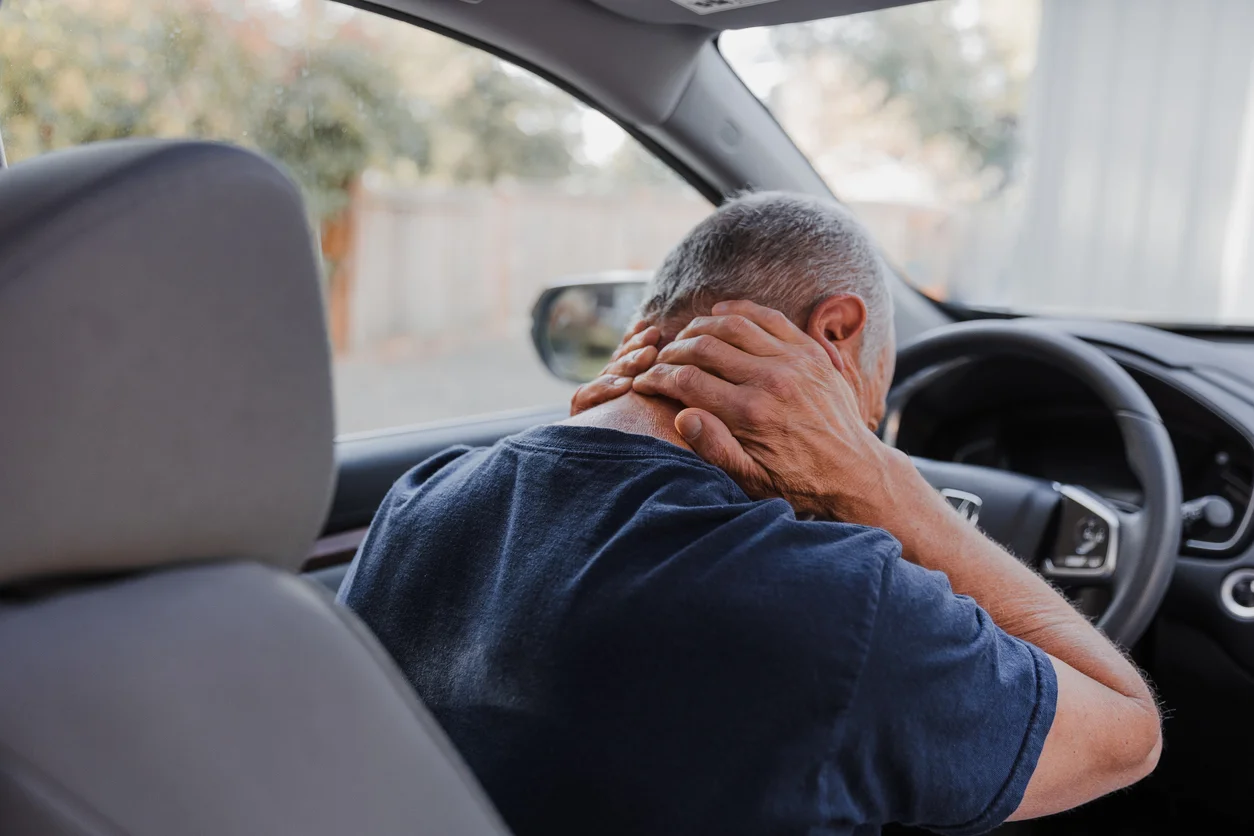
You were rear-ended at a stoplight. Your car has only a few scratches, but your neck and back hurt.
Now the insurance adjuster says the crash was too minor to cause an injury.
Does that mean you don’t have a Colorado personal injury case?
Not necessarily.
Does Minor Vehicle Damage Mean Minor Injuries?
No. The amount of damage to a vehicle and the extent of a person’s injuries are two different questions.
A low-speed collision can produce little visible damage. Whether it caused an injury depends on the facts, including the mechanics of the crash, your medical history, symptoms, and medical evidence.
At the same time, a small collision does not automatically prove a serious injury. The evidence matters in both directions.
What Does Colorado Law Say About Causation?
In a Colorado negligence claim, you must establish that the other party’s conduct caused your injuries. The insurance company does not get to decide that question simply by looking at photographs of your bumper.
Colorado courts require proof of a causal connection, not speculation. See Kaiser Foundation Health Plan of Colorado v. Sharp, 741 P.2d 714 (Colo. 1987).
A disagreement about causation often turns on medical records, testimony, and the circumstances of the accident.
What If I Had an Old Neck or Back Problem?
A prior injury or degenerative condition does not automatically defeat your claim.
Colorado recognizes compensation when an accident aggravates an existing condition. See Newbury v. Vogel, 379 P.2d 811 (Colo. 1963).
Colorado also recognizes that a negligent person takes an injured person as they find them, even when that person is unusually susceptible to injury. See Schafer v. Hoffman, 831 P.2d 897 (Colo. 1992).
The key is showing what changed after the collision.
How Can I Prove My Injuries Came From a Minor Crash?
Start by preserving evidence and getting appropriate medical care.
- Photograph both vehicles and the accident scene.
- Keep the crash report and witness information.
- Tell your medical providers when symptoms began and how they changed.
- Disclose previous injuries honestly.
- Save treatment records, bills, and work-loss documentation.
- Describe activities you could do before the crash but struggle with afterward.
- You do not need a dramatic-looking car to have a legitimate injury. But you do need credible evidence connecting the accident to the harm you claim.
Should I Accept the Insurance Company’s Denial?
Not without understanding its basis. Ask what evidence the insurer relied on and whether it considered your medical records.
Avoid guessing about crash forces or exaggerating symptoms. A doctor’s reasoned assessment and a consistent treatment history are more useful than an argument with an adjuster.
The Bottom Line
A minor-looking accident does not automatically mean minor injuries—or no personal injury claim.
If an insurance company is denying your Colorado car accident claim because the damage was “too small,” have an experienced personal injury attorney review the evidence before you give up your rights.
If you have questions about a Colorado injury claim, we’re happy to talk through your situation and help you understand your options. Call Black, Blink & Associatesat 719-328-1616 now for a free consultation.
Sources
- Kaiser Foundation Health Plan of Colorado v. Sharp, 741 P.2d 714 (Colo. 1987) – Causation must be supported by evidence rather than speculation.
- Newbury v. Vogel, 379 P.2d 811 (Colo. 1963) – Recovery for aggravation of a pre-existing condition.
- Schafer v. Hoffman, 831 P.2d 897 (Colo. 1992) – Particular susceptibility to injury and the thin-skull principle.